
Module 5: Core Content: Part 3: Alkalizing Nutrition
1 | Check as complete if you've reviewed and worked through this resource. |
The internal environment of the body is maintained at a pH just above 7.0. The blood pH must be maintained within a very narrow range, or serious illness and death can result.
This means that the body’s internal environment is slightly alkaline.
Enzymatic, immunologic, and repair mechanisms all function their best in an alkaline environment. Metabolic processes (the processes of living, tissue repair, and the metabolism of food) produce a great deal of acid.
Maintaining appropriate pH of the blood is vital for good health and daily detoxification. Cancer cells, mouth bacteria, and parasites all grow in an acid cellular environment.
Learn what is needed in order to maintain an internal alkaline state!
Watch the Instructional Video
Video with Audio

Downloads
Audio Only
Action Plan
#1: Learn how to teach your clients to achieve an acid/alkaline balance in The Importance of an Alkaline Diet.
 The Importance of an Alkaline Diet: This document explains what proper pH balance should be, the factors that affect acidity/alkalinity, a food chart to help balance intake of acid and alkaline foods, and a tracking chart for testing morning saliva and urine.
#2: Begin adjusting food choices (working towards 70-80% alkaline).
 Use the chart below to help clients balance their intake of acid and alkaline foods. They should start by consuming 80% of their diet from the alkaline side of the chart and 20% from the acid side. If they have cancer, an autoimmune disorder, or other serious disease, it is advised to start with 100% alkaline for a week or two, then go to 80% alkaline.
As their health and energy improve, they can move towards a maintenance diet of 70-80% alkaline and 20-30% acid forming foods.
Alkaline Diet Food Chart: (also found in The Importance of an Alkaline Diet document above)
#3: Track their acid/alkaline balance using pH (potential of hydrogen) strips/paper.
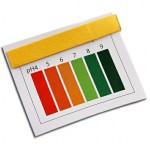 For the best results, they should test pH for 30 days, 3 times daily, approximately 2 hours away from meals. They can use urine or saliva; however, urine often provides a more accurate reading. The first reading should be done after 4 a.m., at the time of the first urinary void.
pH Tracking: Saliva and Urine: The pH of the saliva and the urine, taken in the morning upon first voiding of the day using pH paper, can reveal much about the metabolic activity of the body.
#4: Learn to recognize which foods aid the body in detoxification and which foods hinder detoxification.
Help clients make the changes needed to increase detoxification and energy. Certain foods are not their friends and the sooner they say “adios” to them, the better their health will be.
Foods That Enhance Detoxification: Increase consumption of these foods to help detoxify the body.
Foods That Disrupt Detoxification: Decrease (and preferably phase out) consumption of these foods.
Energy Zappers and Energy Enhancers: Some foods enhance energy; others slow the body down. Refer to the following document and notice that there is quite a bit of overlap between the foods that affect detoxification and the foods that affect energy. Get the picture?
Extras About
Alkalizing and Detoxifying Foods
Here are a few more advanced articles for those who would like to learn more on the scientific side of Acid/Alkaline Balance and Detoxifying Foods.
- Gonick, H. C., Goldberg, G., et al. (1968). Reexamination of the acid-ash content of several diets. Am J Clin Nutr 21(9): 898-903. PMID: 5675852
- Manz, F., Remer, T., et al. (1995). Effects of a high protein intake on renal acid excretion in bodybuilders. Z Ernahrungswiss 34(1): 10-5. PMID: 7785291
- Martin, H.E., Wertman, M. (1947). Serum potassium, magnesium, and calcium levels in diabetic acidosis. J Clin Invest 26(2): 217-28. PMID: 16695408
Popular Books on Acid Alkaline Balance
- The Acid-Alkaline Food Guide: A Quick Reference to Foods & Their Effect on pH Levels by Susan E. Brown
- The pH Miracle: Balance Your Diet, Reclaim Your Health by Robert O. Young and Shelley Redford Young
- Secrets of an Alkaline Body: The New Science of Colloidal Biology by Annie Padden Jubb and David Jubb
Online Alkaline and Acid Information
- Dr. Susan Brown: Better Bones Better Body
- Dr. Russ Jaffee: The Importance of an Alkaline Diet
- Energize for Life Food Charts
[accessally_course_navigation prev_button=’Previous’ next_button=’Next’]