
Module 4: Foods Guidelines by Body System
1 | Check as complete if you've reviewed and worked through this resource. |
The brain is a maze of chemistry and creative power. It needs to be nourished properly for a person to think, feel, and behave optimally. There are important questions to ask to determine how your brain and neurotransmitters are functioning. Are you including these questions on your history forms?
 What are your moods like?
- What are your behaviors?
- Do you have any weird obsessive/compulsive behaviors, habits, or tics?
- Do you have strange cravings or cravings for certain foods?
- How is your memory power?
- Do you have difficulty focusing?
The answers may indicate that if someone has a particular neurotransmitter imbalance. In this segment, you’ll learn about the main neurotransmitters including serotonin, dopamine, GABA, and acetylcholine. You’ll learn how to choose foods, supplements, and herbs to nourish the brain and so a person can stay focused, alert, happy, and clear-headed.
Watch the Instructional Video
Video with Audio

Downloads
Audio Only
Action Plan
#1: Complete a brain health assessment.
 Brain and Neurotransmitter Assessment: This health assessment will examine the general brain function, serotonin, dopamine, GABA, and acetylcholine. Important: If a score is anything above 10%, the person likely has a brain health imbalance that would be helpful to address, even if lab tests appear normal.
Follow the suggested lifestyle protocols below. I am not a fan of neurotransmitter testing, so pursuing lab work should only be done if all other avenues have been pursued.
#2: Identify your deficient nutrients.
General Nutrient Balance AssessmentVitamin Balance Assessment
Mineral Balance Assessment
#3: Get familiar with the nutrients that nourish your brain
 Brain and Neurotransmitter Balancing Nutrients – List of Most Important: Print this list of important vitamins, minerals, and amino acids for brain and neurotransmitter health.
Cross reference the results of the nutrient assessments to the brain and neurotransmitter nutrients. Make a list of the top nutrients you suspect are deficient and look up foods strong in them on whfoods.com. Add these foods to the diet plan you’ve created and use on a regular basis.
 Consider supplementation if you can’t reliably access the nutrients you need in food form. SunWarrior Liquid Vitamin Mineral Rush is a good natural vitamin supplement. Liquid ionic minerals are a good way to replenish depleted minerals. SunWarrior Liquid Light Fulvic Acid is a good combination one, and Good State Liquid Ionic Trace Minerals is a good brand of ionic individual minerals. Liquid and non-synthetic forms are best.
#4: Optimize your Omega-3 essential fatty acids intake, and balance and avoid heated and trans fats.
 Be sure you have a reliable source of omega-3 fat to recommend be added into a diet plan, and that you monitor the omega-6 fat intake. The ideal ratio is 3 parts or less omega-6 to 1 part or more omega-3 (minimum 3:1). For vegan sources of omega-3, aim to include a variety of flax seed, hemp seed, chia seed, walnuts, purslane, and blue-green algae, or algae oil supplements. Fish and fish oils are non-vegan sources of omega-3.
 Encourage your clients to avoid heated and processed fats. Review “Give Your Body an Oil Change” for more details. Trans and heated fats can cause inflammation, and interfere with proper brain and neurotransmitter function.
#5: Optimize your protein intake and absorption.
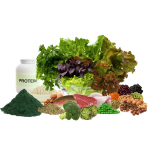 Make sure enough protein is eaten, along with digesting enough, as the amino acids are important for brain and neurotransmitter health. Use protein powder supplementation, if necessary.
Refer to the Brain and Neurotransmitter Balancing Nutrients – List of Most Important handout with a list of the most important neurotransmitter related nutrients. Consider suggesting blood levels of BUN, total protein, albumin, and globulin to look for signs of protein deficiency.
#6: Incorporate basic foundational nutrition and lifestyle protocols to restore balance.
 These lifestyle protocols will be helpful in restoring and optimizing brain and neurotransmitter function.
- Hydrate the body; drink 1/2 of the body weight in fluid ounces of pure water daily.
- Eat a whole foods, antioxidant-rich diet that is high in greens, fruits, and vegetables.
- Supplement with neurotransmitter feeding amino acids as needed; see the Brain and Neurotransmitter Balancing Nutrients – List of Most Important handout.
- Avoid environmental toxins.
- Keep the blood sugar in balance.
- Avoid unnecessary medications; many interfere with nutrient uptake and neurotransmitter functions.
- Manage stress via the Transforming Stress System protocols.
#7: Commit to eating a gluten-free diet and avoiding processed grains.
 Processed grains deplete B vitamins, which are important for proper brain chemistry. Gluten can cause inflammation in the brain, and lead to depression, ADD, anxiety and even schizophrenia. Use the gluten-free resources provided here, Gluten-Free, for information and support for your clients.
#8: Eat organic and grow your own food as much as possible, especially sprouts.
 Eat organic as much as possible – make sure all foods from the Dirty Dozen list are all organic. Show your clients the importance of the way foods are grown. Pesticides and toxic chemicals can interfere with brain health
#9: Avoid food ingredients that are neurotoxic.
 Avoid food ingredients that are neurotoxic: red and yellow dyes, butyrates, MSG, and many more.
#10: Avoid caffeine – it contributes to anxiety and depression.
 Avoid caffeine – it contributes to anxiety and depression.
#11: Get enough sleep.
 Make sure your clients get enough sleep, preferably 7 – 9 hours each night. Sleep deficiency puts a person at higher risk for Alzheimer’s, psychosis, depression, ADD, learning and memory problems, and weight gain. Sleep loss affects the ability to utilize neurotransmitters properly.
#12: Avoid or minimize alcohol.
 Avoid or minimize alcohol. Alcohol contributes to dementia, damages brain cells, and depletes B vitamins, in particular vitamin B1 (thiamin), which is a really important nutrient for the central nervous system. Explain this to your clients, as needed.
#13: Avoid top food allergens.
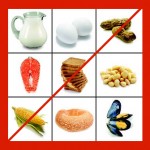 Teach your clients to avoid gluten, dairy, and food allergens; they cause inflammation of the brain.
#14: Avoid sugar.
 Avoid sugar; it depletes B vitamins and creates blood sugar imbalances. High fructose corn syrup should also be avoided. Alzheimer’s is considered to be insulin resistance of the brain. Teaching this to your clients will help them to make choices for their optimal health in the future.
#15: Move your body.
 Move your body. Studies show that exercise is better than drugs at controlling depression. There are many exercises shown throughout this module that will help your clients to start to move – even if it’s a walk up and down stairs or around the building they live in.
#16: Investigate brain exercises.
 Investigate brain exercises. Try http://www.braingym.com/ and http://www.brainmetrix.com/ for a starting point.
#17: Practice Transforming Stress System “mini-vacations” 5 times a day and build fun into your day.
 Visit the Transforming Stress System page and sign-up for your 30 days of audio messages. These stress-busting messages will give you the tools to overcome any obstacles you face along the way. Practice the “Quick Coherence” technique or “mini-vacations” several times throughout the day as taught on the Transforming Stress System page. I also encourage people to add B vitamins to their nutrient intake when they’re under stress. Teach your clients how to have fun, and build play and enjoyment into their day.
#18: Reassess your progress in 3 months.
After following the suggested protocols for at least 3 months, complete the assessment again to reassess your function. Continue to follow protocols as needed. Do the same procedures with your clients.
[accessally_course_navigation prev_button=’Previous’ next_button=’Next’]