
Module 3: Foods Guidelines by Nutrient Needs
Unit 3: Core Content – Part 1: Give Client’s Body an Oil Change
 Now is the time to have your client start switching from butter, margarine, and heated oils or trans fats (oils that cause inflammation) to healthier, whole foods fats that contain Essential Fatty Acids, which help reduce inflammation.
There are 2 fats considered “essential fatty acids”, meaning that your body can’t make them and you need to have your clients include them in their diet on a regular basis — linoleic acid (LA) and alpha-linoleic acid (ALA).
Imbalances and deficiencies of these fats can adversely affect your client’s health.
Read through the information below (it is recopied for you in PDF form in the Action Plan) and have your clients follow the action plan to help them make better choices and run their “engine” on cleaner oils.
Your Progress:
Check off items as you complete them. Your progress will be saved on this page.
1 | Read "Fats: Give Client's Body an Oil Change" | |
2 | Reviewed Action Plan and thought about how to use with your clients | |
3 | Used the Omega 3 and Omega 6 spreadsheet and fele comfortable in using it to assess clients | |
4 | Listened to "Get the Skinny on Fatty Acids" | |
5 | Watched Chia Pudding recipe demo | |
6 | Watched Sun Warrior Chia Pudding Recipe demo | |
7 | Watched Chia Crackers recipe demo | |
8 | Accessed and reviewed Omega 3 rich recipes |
Background Information
Best Plant Sources of Essential Fatty Acids:
- flax seed
- chia seed
- hemp seed
- walnuts
- brown varieties of blue-green algae
- purslane
Purchase, Use, and Storage
When using oil-rich seeds, it’s important for your client to use the whole seeds, raw and unprocessed. As the oil in these seeds is very vulnerable to spoiling, have them keep their seeds fresh in the refrigerator or freezer, or use the oil in the natural, non-processed state.
Omega-3 fats should never be heated. This spares the valuable essential oils from exposure to excess heat and oxygen and thus their possible oxidation. Make sure if your clients purchase any oils, they buy in dark bottles, either refrigerated or nitrogen packed, with expiration dates clearly indicated. The expiration and the pressing dates on flax seed oil should be no longer than four months apart to ensure its freshness.
How to Add Fats to Your Client’s Diet:
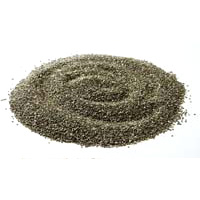 Flax seeds and chia seeds are both most easily absorbed by your client’s body when they’re soaked and ground before eating. Taking these simple steps will ensure adequate digestion and maximum availability of fatty acids for your client.
Both the seeds and the oils can be eaten in the form of sauces and dressings.
The Science of Essential Fatty Acids: Conversion
The conversion of the shorter chain omega-3 fatty acids found in nuts and seeds to the longer chain fatty acids — (EPA and DHA) found in fish, to a lesser extent in purslane (a wild, edible green vegetable), and in brown varieties of blue-green algae — is very inefficient.
Many nutrient cofactors are required for this conversion — nutrients typically found to be deficient in the Standard American Diet, such as Vitamin C, B3, B6, magnesium, and zinc. It has been shown that this conversion can be increased tenfold if coconut or coconut oil is consumed along with an omega-3 rich plant food such as flax, hemp, chia or pumpkin seed. Show your client how to add these seeds to their food plan.
Fish is high in the long chain fatty acids EPA and DHA. EPA and DHA can be synthesized by the body from LA in the presence of adequate B vitamins and minerals. Some researchers believe that this conversion is very inefficient. Others believe that the inefficiency is due to having diets high in refined foods and deficient of essential nutrients; however, the conversion becomes more efficient as the necessary nutrients are replenished. I believe that this needs to be evaluated on a case by case basis with each of your clients.
 If your client chooses to use fish or fish oils as a source of fatty acids, it is important to help them to choose their source carefully. Have them be sure that the fish is cold water fish from deep in the ocean to reduce exposure to heavy metals and toxins. If your client uses fish oil, be sure it is from a reputable company that does third-party testing for contamination by mercury, lead, PCBs, and other contaminants.
The Science of Essential Fatty Acids: Balance
A huge problem with fat consumption, especially in the western world, is that most people consume much more omega-6 fats than omega-3. Omega-6 fats are abundant in plant foods like sunflower seed, pumpkin seed, almonds, pecans, Brazil nuts, and oils made from these, as well as soybean and corn.
The ideal ratio is 3 parts or less omega-6 to 1 part or more omega-3 (minimum 3:1). Most Americas consume 20 or more times omega-6 fats as compared to omega-3, leading to an epidemic of inflammatory diseases. In the advanced part of the fat module, we’ll go into more details about how inflammation comes to be and how you can optimize your client’s ability to manage inflammation using dietary fats.
For now, have your client focus on rebalancing their fat intake.
Action Plan for your Client
#1: Assess your client’s Essential Fatty Acid (EFA) score.
 General Nutrient Balance Assessment: Use this health assessment as a guideline to create one that will examine your client’s general nutritional needs, essential fatty acid needs, and potential levels of amino acids. Completion of Section 2 will indicate their EFA score.
#2: Teach your client how to choose the right fats in Give Your Body an Oil Change.
 Fats: Give Your Body an Oil Change: This is a PDF version of the information above. A copy of the action steps below is also included.
#3: Help your client to choose an omega-3 rich food source every day.
 Have your client commit to include their allotment of inflammation-fighting omega-3 fat foods in their diet every day.
Be sure to have your client choose at least one of the essential fatty acid rich foods daily.
- chia seeds
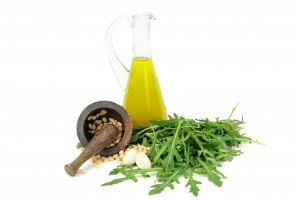
- flax seeds or flax seed oil
- hemp seeds or hemp seed oil
- walnuts
- sacha inchi oil
- brown varieties of blue green algae
- purslane
- deep ocean fish or fish oils
- borage, evening primrose, black currant seed oil
#4: Have your client eat an appropriate portion size of omega-3-rich fats.
 Each of the following portions below would be a recommended daily serving of omega-3-rich fat for your client.
Help your client to choose one serving per day (or mix and match in appropriate quantities).
 1-2 tablespoons of oil per day
- 5-6 tablespoons of seeds per day
- 1-2 tablespoons of blue green algae per day
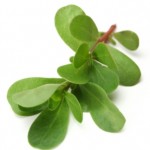
- 1/2 cup of purslane (edible, wild green)
#5: Track your client’s omega-3 versus omega-6 balance.
Use the following document(s) to help track your client’s omega-6 to omega-3 ratio on a regular basis. There are several recipes included that are very omega-3 rich for your convenience to share with them. You can use the Excel spreadsheet to automatically calculate their ratio. If you are not spreadsheet savvy, use the pdf file to calculate by hand.
 Omega-3 and Omega-6 Content of Common Foods: (xlsx) Excel spreadsheet showing your daily omega-3 and omega-6 intakes that can be used to calculate your ratio. It also includes the RDA for essential fatty acids. Use this tool to help balance your daily intake of essential fatty acids.
Omega-3 and Omega-6 Content of Common Foods: (pdf) This is a PDF version of the general template from the spreadsheet above that can be printed. Calculations must be done by hand.
#6: Have your client start their day with a chia energy drink or chia porridge.
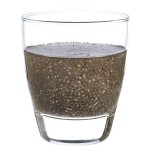 Show your client how they can enjoy chia seeds along with their green smoothie or green juice, or add chia seeds to their greens. You can choose from recipes below or make up your own.
Extras
Audio
Vibrant Health Solutions Radio Show: Get the Skinny on Fatty Acids
Videos
Watch the videos from the Food Video Library for ideas on ways to have your clients experiment with including extra omega-3 rich foods every day.
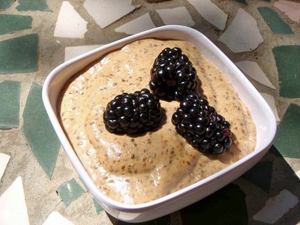 Chia Pudding
- Sun Warrior Chia Pudding by Craig Sommers (my dear friend and author of Raw Food Bible)
- Chia Crackers
Omega-3 Rich Recipes
- Chia Crisps
- Chia Pudding
- Omega-3 Rich Parmesan
- Peach Pie with Chia Crust
- Chia Gel (Beverages for Vibrant Energy)
- Chia Energy Drink (Beverages for Vibrant Energy)
[accessally_course_navigation prev_button=’Previous’ next_button=’Next’]